
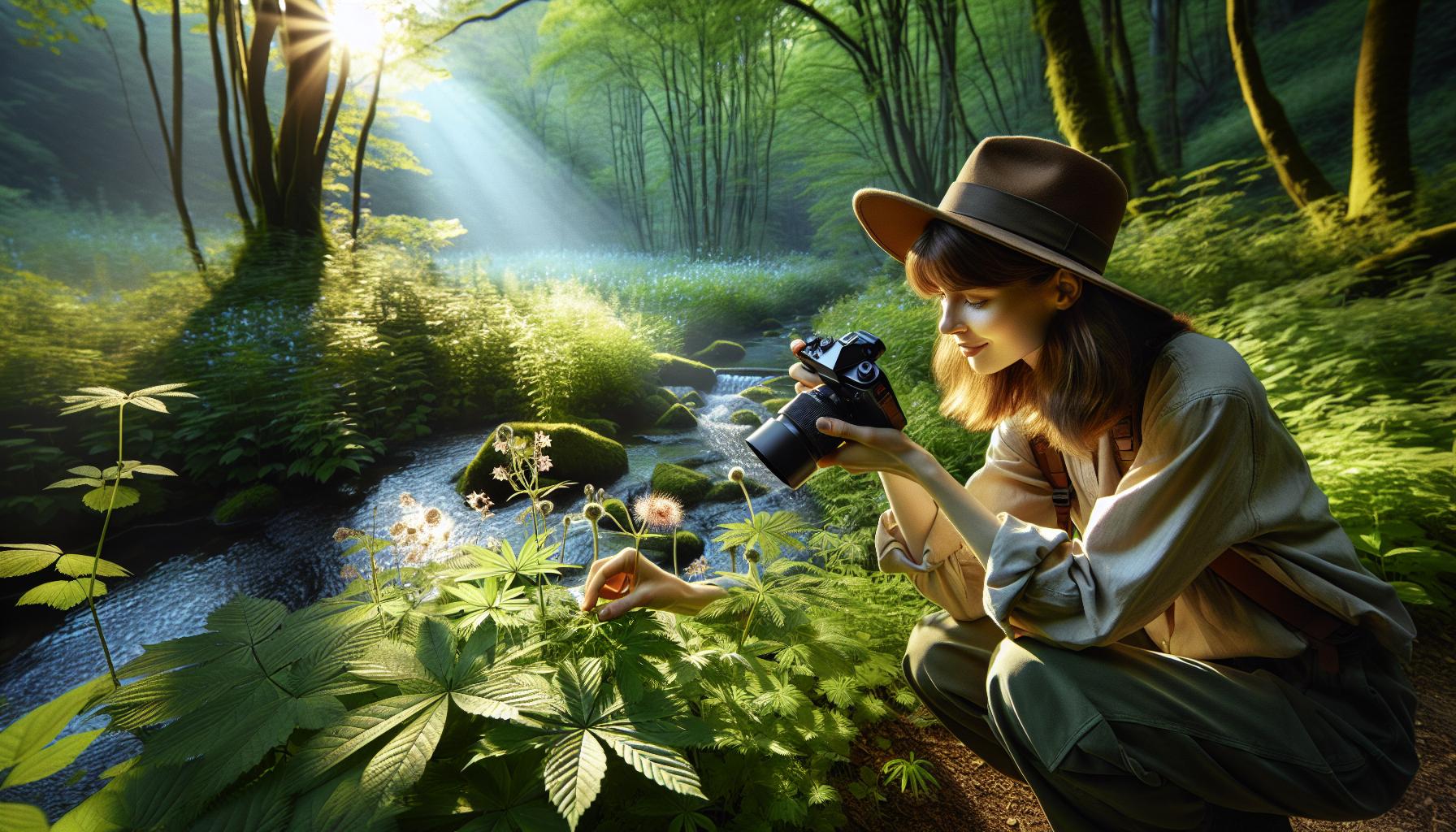
Capturing the perfect nature shot is just the beginning of your photography journey. While social media platforms like Instagram and Flickr offer immediate exposure, there are numerous opportunities to showcase your work through professional submissions that can help establish your reputation as a nature photographer.
We’ll guide you through the essential steps of submitting your nature photography to publications, contests, and organizations. From technical specifications and file requirements to ethical considerations in wildlife photography, we’ll help you understand what editors and curators look for in submissions. Whether you’re photographing landscapes, wildlife, or natural phenomena, proper submission practices can make the difference between acceptance and rejection.
Understanding Nature Photography Submissions
Successful nature photography submissions require a deep understanding of both technical requirements and market preferences. Let’s explore the key elements that make nature photos marketable and submission-ready.
Types of Nature Photos That Sell Well
Nature photos that capture unique moments in wildlife behavior appeal most to publications and stock agencies. Here are the most sought-after categories:
- Action shots of animals interacting in their natural habitat
- Dramatic weather phenomena over scenic landscapes
- Close-up macro photography of insects or flowers
- Rare species in their native environments
- Seasonal transitions in natural settings
- Dawn or dusk lighting conditions in pristine locations
Image Quality Requirements
Professional nature photography submissions must meet specific technical standards:
| Requirement | Standard Specification |
|---|---|
| Resolution | Minimum 300 DPI |
| File Format | RAW or uncompressed TIFF |
| Color Space | Adobe RGB or sRGB |
| Image Size | At least 4000 pixels on longest side |
| File Type | JPEG for previews only |
- Sharp focus on the main subject
- Proper exposure without blown highlights
- Natural color balance without oversaturation
- Clean ISO settings to minimize noise
- Minimal post-processing adjustments
- No artificial manipulation of subjects
- Proper metadata including location data
- Copyright information embedded in files
Stock Photography Platforms

Stock photography platforms provide photographers with dedicated marketplaces to submit nature photos for potential buyers worldwide. These platforms operate through two distinct business models, each offering unique advantages for nature photographers.
Rights-Managed Sites
Rights-managed sites maintain exclusive control over image licensing with specific usage terms. Getty Images operates on this model, offering:
- Higher earnings per image sale with detailed pricing structures
- Protected usage rights through controlled licensing agreements
- Customized licensing terms based on image application
- Premium positioning for high-quality nature photographs
- Curated collections that maintain value over time
- Shutterstock’s extensive marketplace with standardized pricing
- Adobe Stock’s integration with Creative Cloud applications
- Multiple downloads of the same image without usage restrictions
- Keyword-based search systems for enhanced visibility
- Automated tagging tools to improve discoverability
| Platform Type | Average Commission | Typical License Cost | Minimum Resolution |
|---|---|---|---|
| Rights-Managed | 45-60% | $150-500+ | 50MP |
| Royalty-Free | 15-40% | $25-100 | 16MP |
Nature and Wildlife Publications

Nature and wildlife publications provide excellent opportunities to showcase nature photography to a dedicated audience. These outlets specialize in featuring stunning wildlife images, conservation stories, and natural landscapes.
Print Magazines
National Wildlife magazine, with a circulation of 450,000 readers per issue, accepts submissions from both professional and amateur photographers. The magazine prioritizes images captured in natural conditions with ethical photography practices. Here’s what print magazines typically seek:
- Action shots showcasing natural wildlife behavior
- High-quality photographs with proper technical specifications
- Images that align with the publication’s conservation focus
- Original stories told through unique wildlife moments
- Documented details about photography conditions
Online Publications
Digital platforms expand the opportunities for nature photographers to submit their work. Online nature publications offer these submission features:
- Real-time submission systems for quick processing
- Digital-specific image requirements
- Multiple image submission options
- Direct communication with editorial teams
- Broader exposure through social media sharing
| Publication Type | Average Circulation | Submission Format |
|---|---|---|
| Print Magazines | 450,000+ | High-res files |
| Online Publications | Unlimited reach | Web-optimized images |
- Image resolution requirements
- File format preferences
- Subject matter restrictions
- Photography ethics documentation
- Rights agreements
Photography Contests and Competitions
Photography contests offer valuable opportunities to submit nature photos for recognition, exposure, and potential monetary rewards. Each contest has unique requirements, judging criteria, and submission deadlines.
Major Nature Photography Contests
Leading photography contests showcase exceptional nature and wildlife images throughout the year:
- Natural History Museum’s Wildlife Photographer of the Year competition celebrates outstanding nature photography across multiple categories
- BBC Wildlife’s Photo Club Competition features monthly themed challenges for nature photographers
- Conservation organizations host seasonal contests focusing on environmental awareness
- Nature photography websites curate specialized competitions for landscape, macro, and wildlife categories
- Local art festivals organize regional contests with nature-specific divisions
- Check entry deadlines through dedicated platforms like Photo Contest Deadlines and Photo Contest Gurus
- Submit high-resolution images meeting the specified file format requirements
- Include accurate metadata with location details, species identification, and shooting conditions
- Follow ethical photography guidelines demonstrating responsible wildlife photography practices
- Verify copyright requirements and image licensing terms before submission
- Complete all required entry forms with accurate photographer information
- Review size limitations and formatting specifications for digital submissions
- Ensure images comply with post-processing restrictions specific to each contest
| Competition Element | Common Requirements |
|---|---|
| File Format | JPEG/TIFF |
| Resolution | 300 DPI minimum |
| Image Size | 8-16 megapixels |
| Color Space | Adobe RGB/sRGB |
| File Naming | Specific naming conventions |
| Entry Fee Range | $15-50 per submission |
Building Your Own Photography Platform
A professional website serves as a centralized hub for showcasing nature photography portfolios while maintaining complete control over image presentation and sales. Creating a dedicated platform enables direct customer interactions and maximizes profit potential from photo sales.
Creating a Professional Portfolio
A photography website requires three essential elements for success:
- Custom domain name that reflects your photography brand identity
- High-quality gallery system to display images in optimal resolution
- E-commerce functionality to process direct photo sales securely
- Mobile-responsive design that adapts to different screen sizes
- Search engine optimization for improved visibility
The portfolio section showcases:
- Curated collections organized by themes or subjects
- Detailed image descriptions with locations and technical specs
- Pricing information for prints and digital downloads
- Licensing terms and usage rights
- Contact forms for custom photo requests
Marketing Your Nature Photos
Social media platforms enhance portfolio visibility through:
- Instagram posts highlighting new additions to the collection
- Pinterest boards organized by photography categories
- Facebook business page updates about available prints
- Regular engagement with followers through comments and shares
- Behind-the-scenes content about photo shoots and locations
Website marketing strategies include:
- Email newsletter signups to announce new photos
- Blog posts about photography techniques and locations
- Search engine optimized image descriptions
- Integration with popular payment systems
- Analytics tracking to monitor visitor behavior
- Cross-promotion with other nature photographers
| Metric | Target |
|---|---|
| Monthly visitors | 1,000+ |
| Email subscribers | 500+ |
| Social followers | 2,500+ |
| Conversion rate | 2-3% |
| Average order value | $75+ |
Conclusion
We’ve explored numerous avenues for sharing your nature photography with the world. From prestigious publications and stock photo websites to photography contests and personal platforms there’s a perfect outlet for every photographer’s unique vision and goals.
Success in nature photography submissions requires attention to technical details proper documentation and adherence to ethical guidelines. By following the steps we’ve outlined and maintaining professional standards you’ll increase your chances of getting your work noticed and published.
Remember that building a successful nature photography portfolio takes time dedication and strategic planning. Start with the platform that best matches your current skill level and gradually expand your presence as you grow. Your stunning nature shots deserve to be seen!